Blog
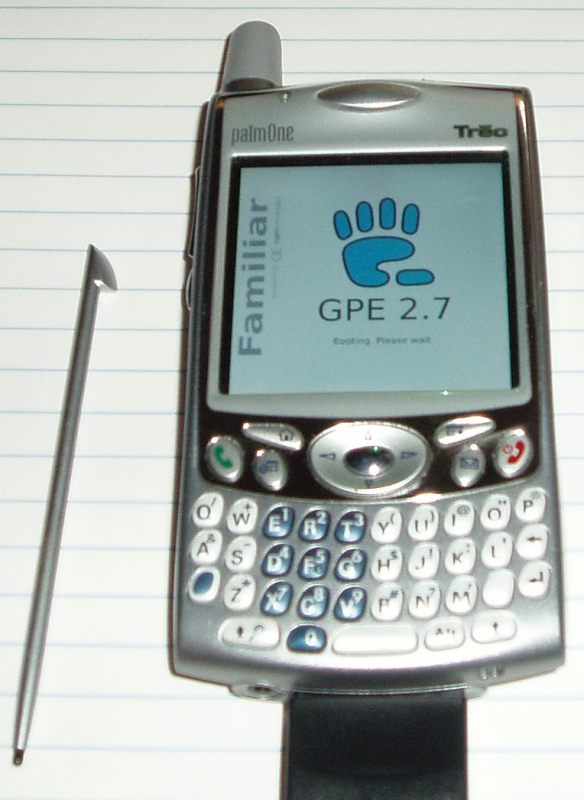
permalinkTreo Linux GPE
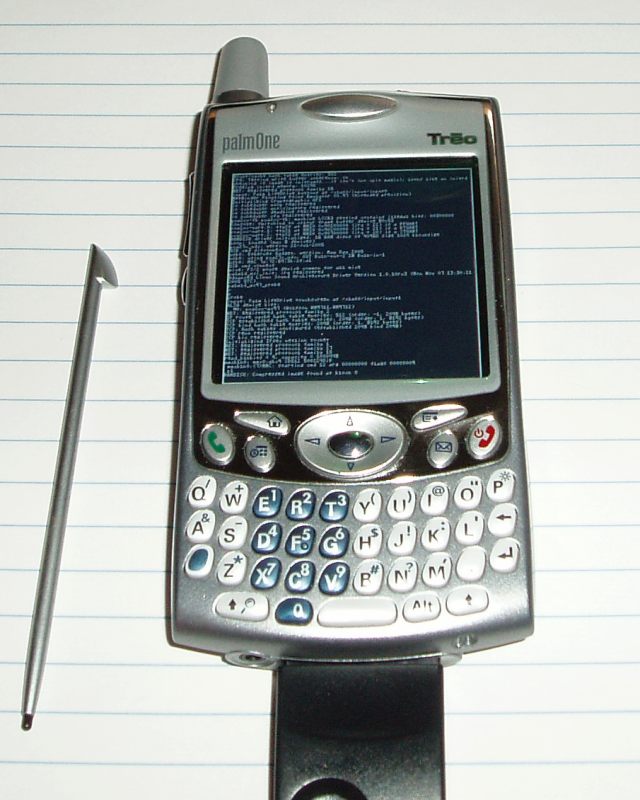
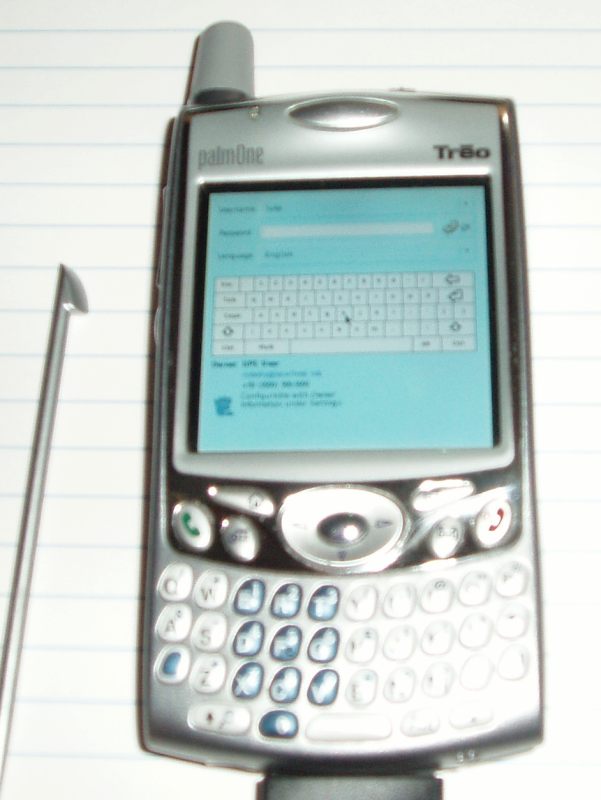
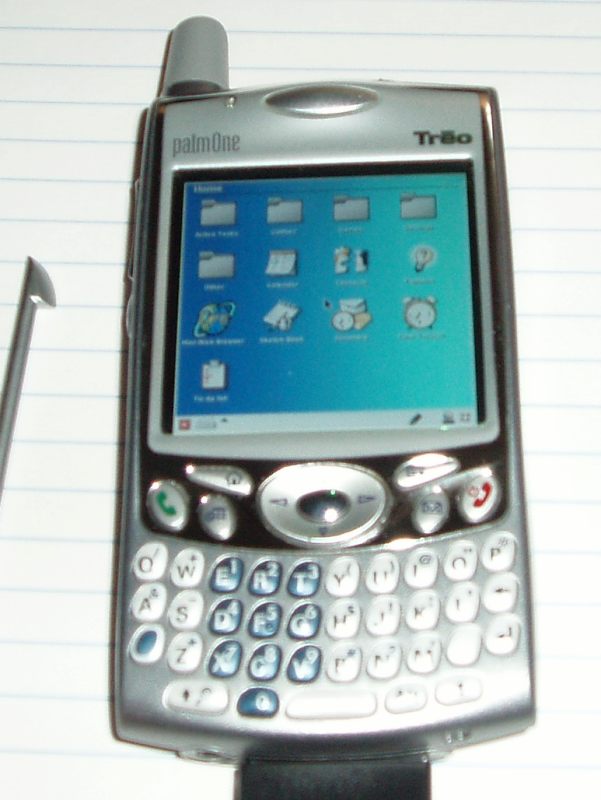
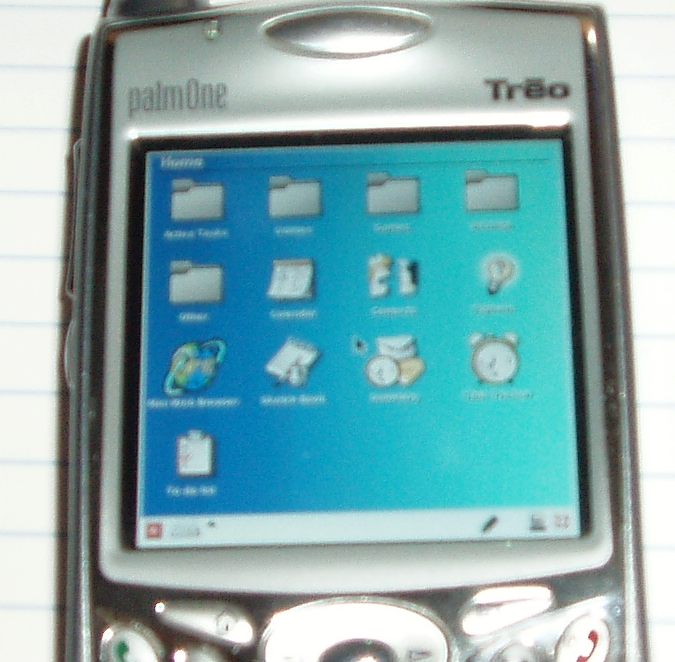
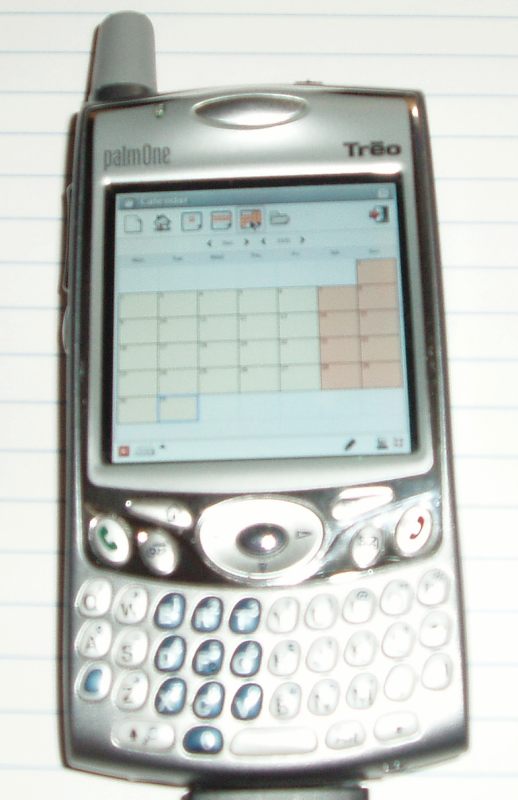
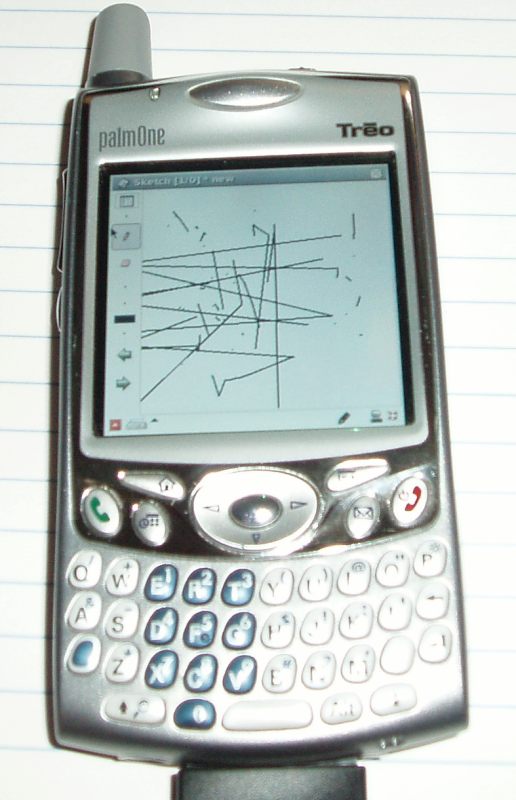
Luke has posted instructions on getting GPE working with the Treo 650:
This is about as simple as it gets right now to build and load a gpe image. The assumption is that you know enough about Linux to compile a custom kernel for your dist and that you can complete tasks like making a filesystem on an SD card.
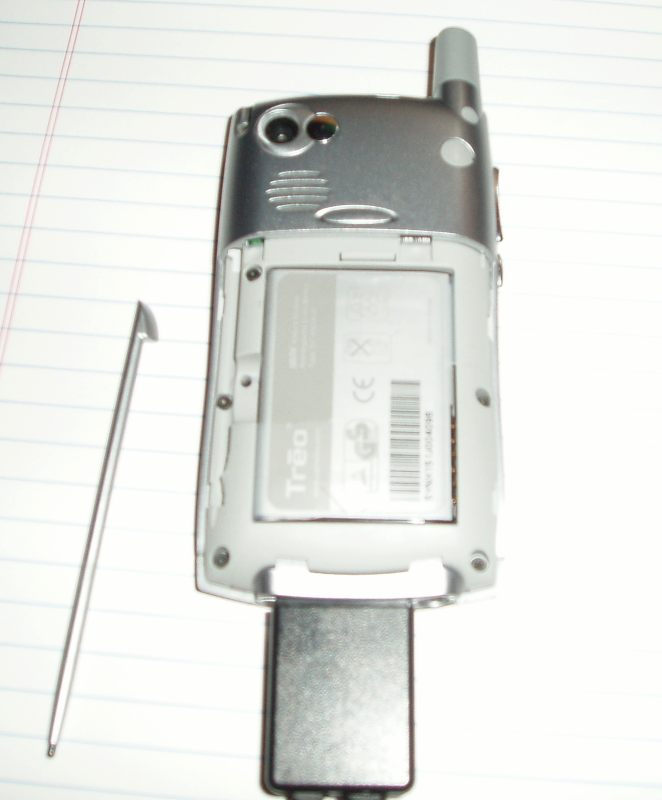
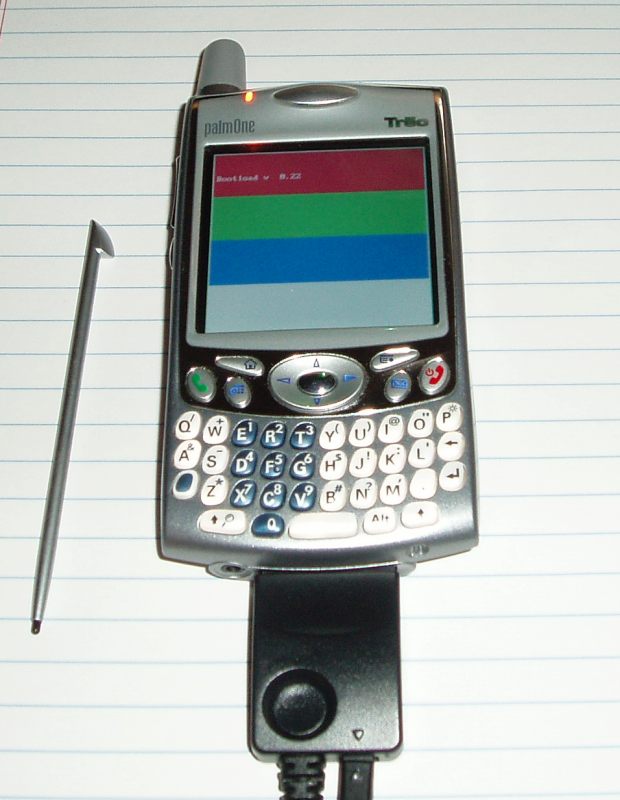
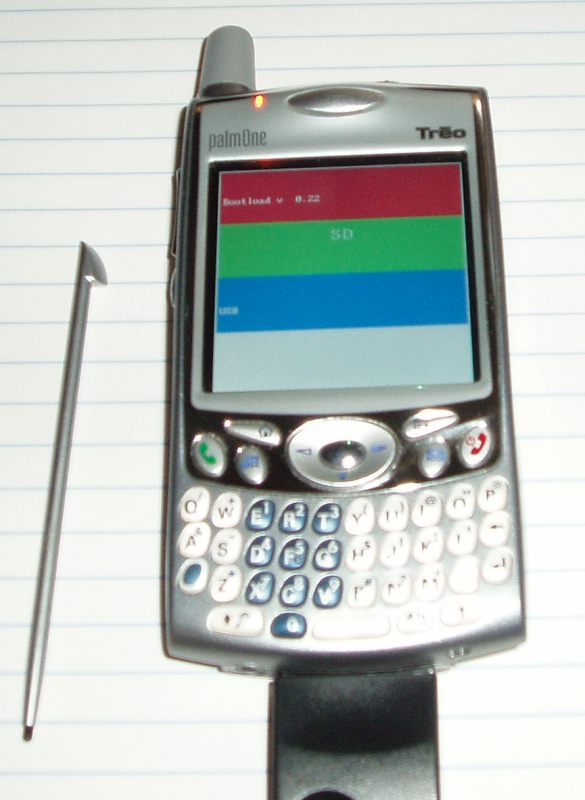
Screenshots:


The lowdown on DBCache and ROM size
There’s been a lot of speculation on how ROM sizes affect free space and available DB cache since Shadowmite opened up the world of ROM hacking. Many theories have been proposed, but I’d like to set the record straight by listing what we’ve learned via disassembly, trial-and-error and various tests.
The key questions are how the size of ROM affects:
- the available amount of DBCache
- the “free space” measure
- the amount of “dynamic memory”
To properly answer these questions, it’s best to give a quick overview of what happens when a Treo boots after a reset.
Treo 650 USB Networking - Works
I got the USB networking layer up and running last night. The secret was determining the correct GPIO for USB cable insertion/removal. Everything else was handled already!
Pinging a device over a USB cable is neat to watch, but Shadowmite is working on getting dropbear ready so that we can SSH over to the phone. This will make it easy to quickly transfer new kernel modules (saving a reboot).
2GB SD Card Works!
Thanks to a tip by Richard Purdie on the kernel-discuss mailing list, I found the problem. It turns out that the Linux MMC layer assumes that the card has a 512-byte block size.
I managed to work around it by forcing the block size on my card to be 512 bytes (even though it returns 1024 bytes). This isn’t the correct fix, but it seems to do the job for now. I’ll look into a proper fix once I have a chance to come back to it.
More SD/MMC woes
So more hacking on the SD/MMC and I’m still the only one without it working. Two or three other testers have everything going, even so far as mounting rootfs off the SD card!
I tried a number of different things to get it working, including fixing a couple of things that look like bugs in the pxa-mci driver. Still not sure what is going on, but I’ll keep hacking at it.
Other guys on irc have started hacking on other interesting bits, including some doing Bluetooth work. We’re also going to try a custom build of Alex Osborne’s GPE image to see if we can’t get it booted using a slightly modified version of his LifeDrive build.
The remaining stuff we need to do right away: